It put an H100 in orbit last November. Investors have now handed it $250 million to build the data centre around it.
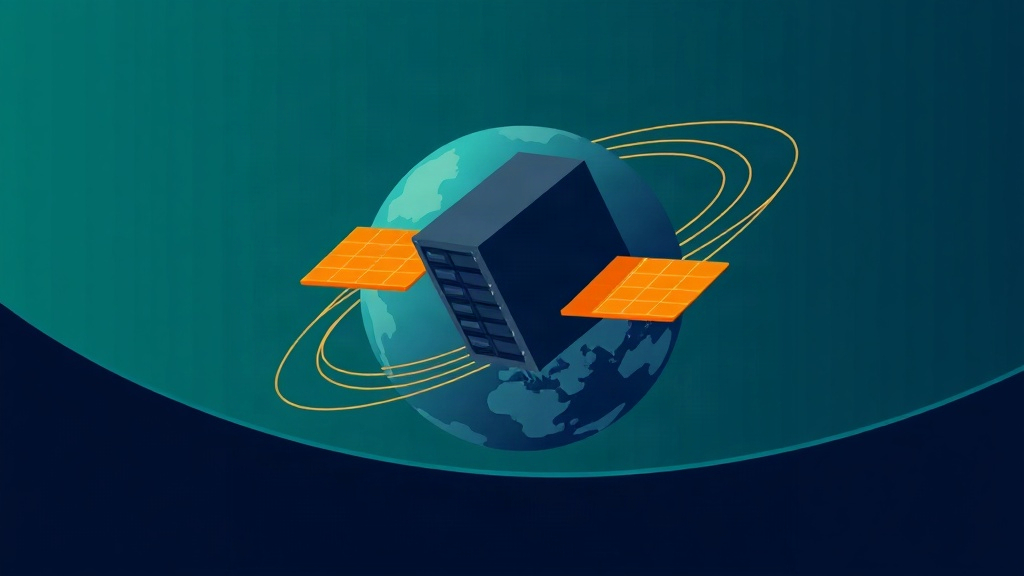
Starcloud raised $250 million on 21 August at a $2.3 billion valuation — an extension of its Series A, led by Manhattan West, with Nvidia and Cisco Investments among the new backers. That takes the total raised since the company was founded in 2024 to $450 million. What separates it from the usual space-compute pitch is that part of it already flew: in November 2025 Starcloud-1 carried an Nvidia H100 to low Earth orbit and ran Google's open Gemma model on it, the first data-centre-class GPU to work in space. The argument for orbit is the two constraints now biting hardest on the ground — power, from sunlight that never sets, and cooling, by radiating heat directly into space instead of evaporating water. The company has filed with the US Federal Communications Commission for as many as 88,000 satellites and talks about 20 gigawatts of orbital compute. The new money funds a larger factory and Starcloud-3, which is meant to launch on SpaceX's Starship. TechCrunch flagged the uncomfortable part: launch capacity for something this heavy is currently scarce.
Related stories
Amazon will now pay a Chinese AI lab for every call to its model.2026-10-08SpaceX wants to borrow $40 billion to buy Nvidia's newest chips.
2026-10-07Google bought 890 megawatts of power that does not exist yet.
2026-10-07China's top model now trails America's by three percent.
2026-10-06Banks now take Nvidia chips as collateral on Asian data centre loans.
2026-10-06