The robot dog China sells the world was measured, to the millimetre, from one the US Army paid to invent
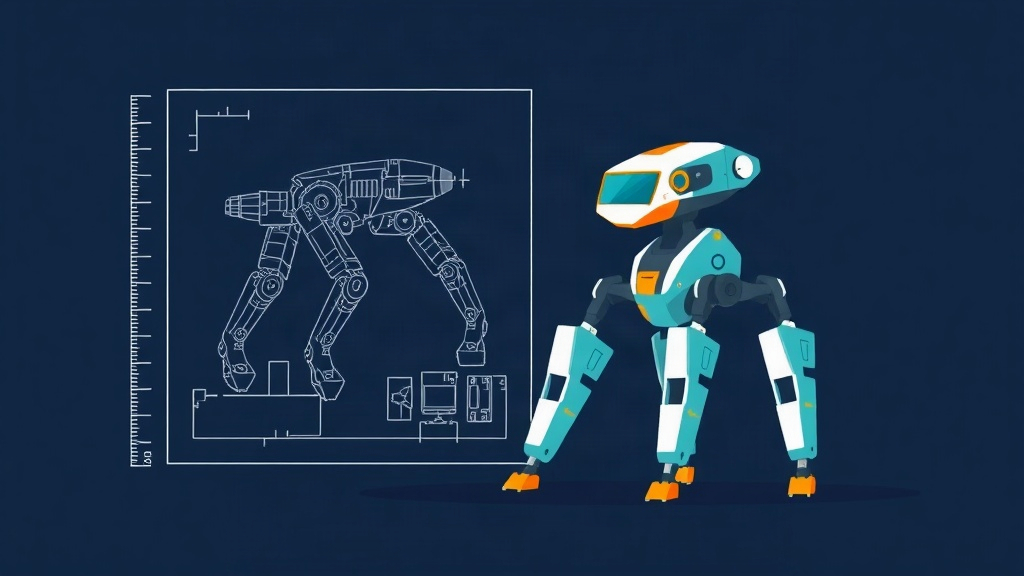
A Reuters investigation published on 18 August traced the lineage of Unitree's quadruped robots — the ones now sold worldwide and, this week, behind a stock market debut that valued the company at roughly $66 billion — back to American military-funded research. The US Army financed the Robotics Collaborative Technology Alliance from 2010 to 2020, whose members included the University of Pennsylvania, MIT, Boston Dynamics and NASA's Jet Propulsion Laboratory. In 2016 UPenn researchers, building on DARPA-funded MIT work, removed the heavy central gearbox and put the motors in the robot's legs, which is what let the machine feel the ground it walked on. In 2019 MIT's lab presented the Mini Cheetah, stronger and able to backflip. Ben Katz, who worked in that lab, told Reuters the dimensions of Unitree's Go series are almost identical to the Mini Cheetah he helped build — 'to the millimetre.' Katz published his master's thesis describing the actuators; within six months he found Chinese manufacturers selling copies of them on AliExpress. Unitree's founder Wang Xingxing cited the MIT work in his own 2016 master's thesis and credited the lab's pioneering contribution. Reuters found Unitree did nothing improper: the Army programme's findings were deliberately published in the open to advance the field.
Related stories
ChatGPT is signing its fake cartoons with real cartoonists' names.2026-10-06Qualcomm will license Huawei's way of stacking two chip wafers.
2026-10-06Wikipedia's owner says OpenAI agents may have caused a May outage.
2026-10-06OpenAI fired three safety staff for talking to an outside watchdog.
2026-10-05OpenAI will put ads beside the pictures you ask ChatGPT to draw.
2026-10-05