Show the robot once — three to twelve seconds — and it gets the job right 59 times out of 100 with no training at all
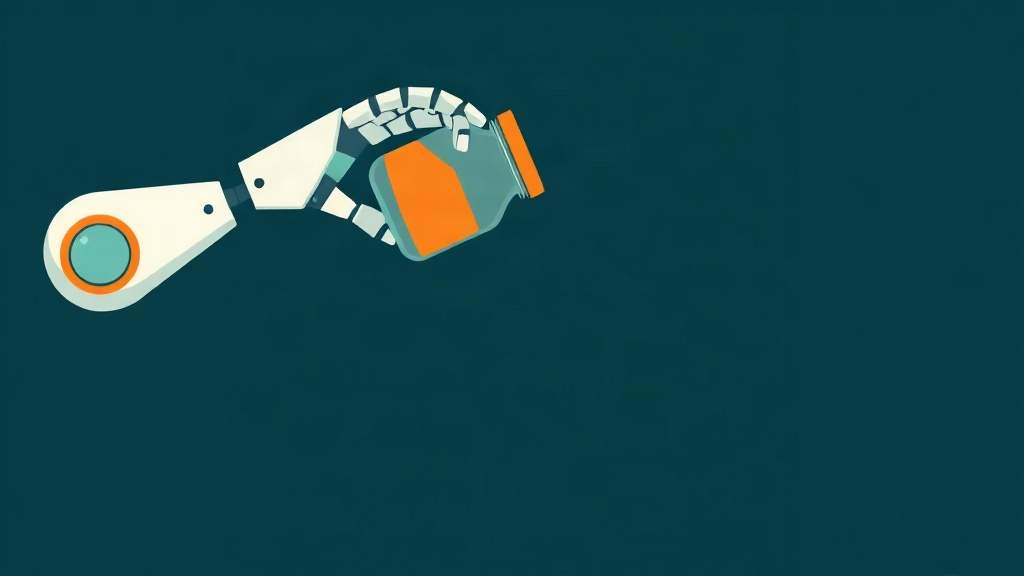
Generalist AI published GEN-1.5 on 19 August. The demonstration is not training data; it is the prompt. A three-to-twelve-second clip of someone doing the task — recorded by a person holding grippers, or by the robot itself — is loaded into the model's thirty-second context window, and the robot then attempts the task with no gradient updates and no fine-tuning. Across ten varied jobs, including opening a jar, unzipping a pencil pouch and pulling money out of a purse, this one-shot approach averaged 59 percent success, with a spread of about ten points. Ten gradient steps on five minutes of data pushed it to 83 percent. The model takes in video alongside sensor, language and body-position data and emits movement commands a hundred times a second. The company says the abilities it is showing off — transferring from simulation to the real world, using unfamiliar tools, working around obstacles, using both arms — were never trained for as such, and emerged from eight months of continuous pretraining on physical interaction. No weights and no product were announced.
Related stories
Microsoft's new transcriber starts writing before you finish speaking.2026-10-05An American lab is about to give away a China-class open model.
2026-10-05A video site now gives away the best-scoring open translation model.
2026-10-05Half the people on a short video call thought the AI was human.
2026-10-04Nvidia posted a new multimodal model and told nobody about it.
2026-10-04