Proposals that read like AI wrote them win more NIH money — and ask smaller questions
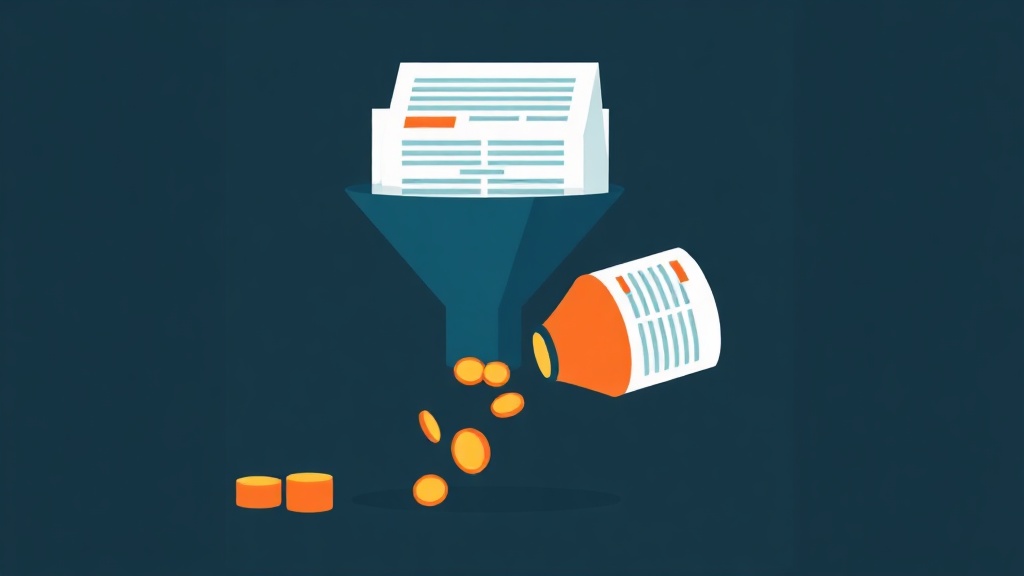
Dashun Wang and Yifan Qian of Northwestern's Kellogg School published a study in PNAS yesterday examining US federal research funding. Grant proposals carrying stronger signals of AI-assisted writing were funded by the National Institutes of Health at a rate four percentage points higher than those without. The same proposals scored lower on semantic distinctiveness: they sat closer to work the agency had already funded. At the National Science Foundation, the authors found no significant relationship between AI-assisted writing and success.
Why it mattersThis is the clearest case yet of an AI tool optimising for the wrong thing. A model trained on past winners writes proposals that look like past winners, and reviewers reward the resemblance — which is exactly backwards for an institution whose job is funding what nobody has tried. The NSF result matters just as much: whatever the two agencies do differently in review, one of them is not paying the same premium for familiarity.
Read in the app — free, in 9 languages
Related stories
The US got 16 countries to put AI at the centre of science.2026-10-05Mathematicians cracked five open problems using an ordinary chat box.
2026-10-05Untuned models solved agent tasks their polished versions could not.
2026-10-04Pretraining on everyday photos got a model to 70% on a reasoning test.
2026-10-04Google put its AI chips in orbit to see whether they survive.
2026-10-03