Investigators say the drone picked its own target in Zaporizhzhia. Three people died, and nobody was on the other end.
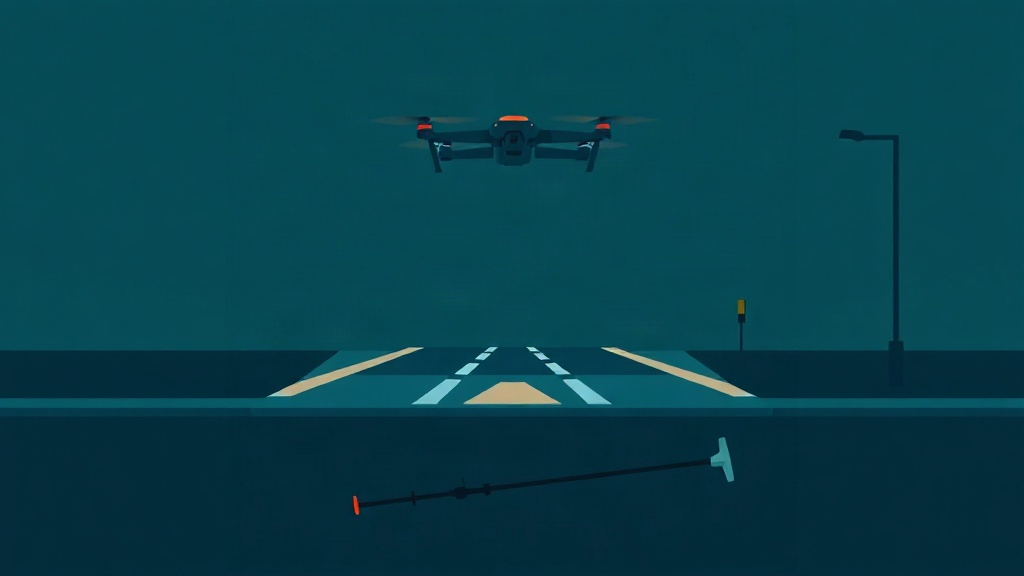
The New York Times reported on 24 August that a small Russian strike drone that killed three people in Zaporizhzhia in July appears to have chosen what to hit without a human in the loop. Among the dead was Tetiana Bubynets, a 19-year-old university student. Ukrainian air-defence commanders, drone specialists and forensic investigators who went through debris from that strike and others in the same city found commercially sold Nvidia computing modules on board and no radio antennas — the combination that would let an aircraft see and decide for itself rather than wait for instructions. Their reconstruction is that human operators launched the drone toward a filling station, and that it then singled out the propane tanks on its own, having been trained to recognise them. None of this is officially confirmed. Kyiv has made no formal declaration, Russia has not commented, and the conclusion rests on physical evidence plus expert inference rather than on recovered software. Nvidia has said previously that its Jetson modules are commercial products not designed for military use, and that it cuts off distributors who breach export controls.
Related stories
Anthropic's new rules forbid being needlessly cruel to Claude.2026-10-09South Korea's president says AI helped hackers into four banks.
2026-10-07Google cleared 300 hectares of Finnish forest before the permit came.
2026-10-07Utah ordered AI training for every state employee.
2026-10-07A video model now labels footage shot from a robot's own view.
2026-10-07