AI wrote 16 working viruses from scratch — and the study just cleared peer review in Science
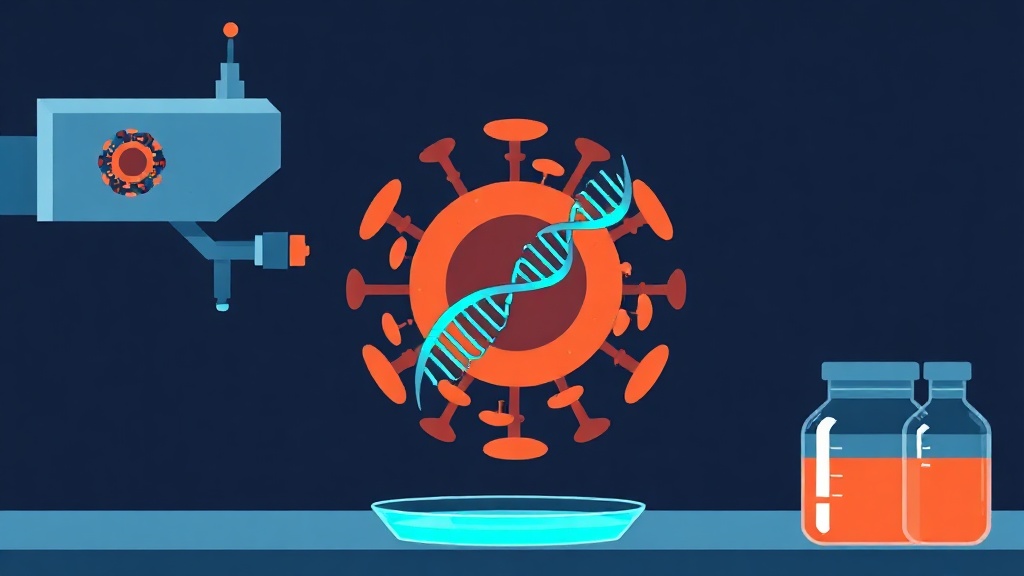
Stanford and Arc Institute researchers used two genome language models, Evo 1 and Evo 2, to write complete bacteriophage genomes from nothing but a design prompt. Of 285 designs they synthesised in the lab, 16 produced viable viruses that infect and kill E. coli, and a cocktail of them cleared bacterial strains that had already grown resistant to the natural phage the designs were modelled on. The work appeared Thursday in Science, eleven months after it was first posted as a preprint.
Why it mattersThis is the first time generative AI has designed a complete working genome rather than a single protein, and it points at phage therapies that could be redesigned faster than bacteria evolve resistance. It also sharpened the biosecurity argument within hours: researchers at Johns Hopkins responded by calling for legally required screening of synthetic DNA orders instead of the voluntary checks the industry relies on today. The models were trained without human viral sequences, and every experiment used non-pathogenic lab strains.
▶ Related video: 121. AI-designed viruses
Read in the app — free, in 9 languages
Related stories
The US got 16 countries to put AI at the centre of science.2026-10-05Mathematicians cracked five open problems using an ordinary chat box.
2026-10-05Untuned models solved agent tasks their polished versions could not.
2026-10-04Pretraining on everyday photos got a model to 70% on a reasoning test.
2026-10-04Google put its AI chips in orbit to see whether they survive.
2026-10-03