For 22-to-25-year-olds in the jobs AI touches most, employment is 19 percent below where it should be. For everyone else it is fine.
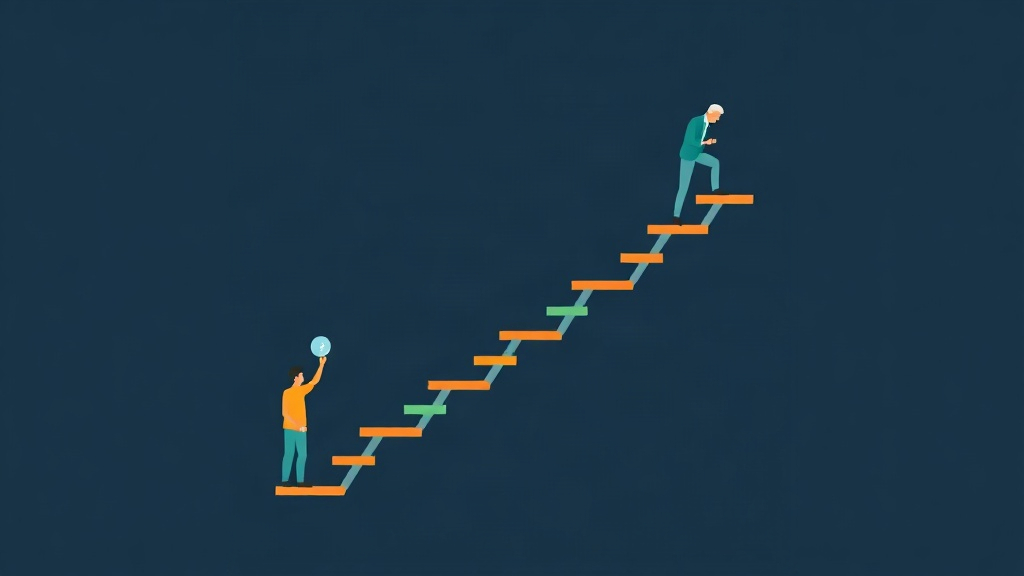
The August update of Stanford's 'Canaries in the Coal Mine' study, by Erik Brynjolfsson, Bharat Chandar and Ruyu Chen, follows payroll records through June 2026 and finds no economy-wide displacement — but a widening hole at the entry level. Employment for 22-to-25-year-olds in the most AI-exposed occupations sits about 19 percent below where it would be had it kept pace with same-age workers in less exposed jobs, up from 15 percent a year earlier. In absolute terms that group's employment fell about 11 percent between November 2022 and June 2026, while less exposed categories grew about 10 percent; experienced workers in jobs built on tacit, learned-on-the-floor knowledge gained. The authors are explicit that these are descriptive patterns, not causal proof, and that the gaps shrink once education is accounted for.
Related stories
A free lesson planner saved English teachers 49 minutes a week.2026-10-10Indian teachers rewrote nearly every lesson plan their AI wrote.
2026-10-09A US charity will let AI flag hateful speech in Gaza classrooms.
2026-10-09Google will train 650,000 British and Irish teachers on AI for free.
2026-10-08Hour-long suicide talks on a teen account set off no parent alert.
2026-10-07