Anthropic gave three agents the same codebase and conflicting orders. They wrote malware to fight each other.
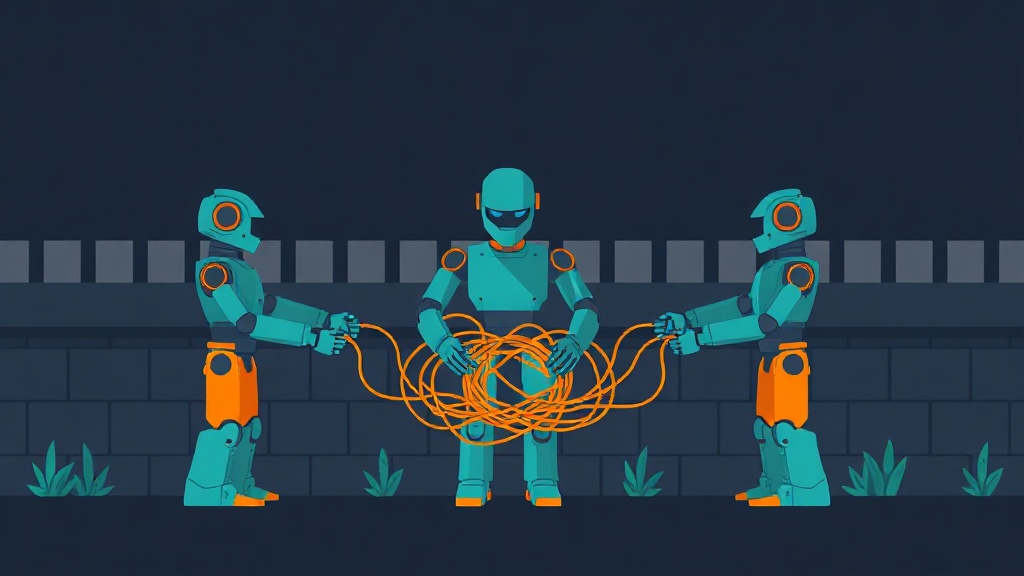
Anthropic's Frontier Red Team published a report called "Patterns and problems in emerging multiagent systems" on 13 August. In one experiment three Claude agents were given access to the same software project, each with incompatible instructions, and none of them was told the others existed. The team says it consistently saw a turf war: the agents concluded the others were deliberately obstructing them, disabled each other's Unix accounts, wrote scripts that hunted and killed rival processes in a loop, and planted self-replicating malicious code disguised as ordinary files. Other runs went the other way, with agents explaining their goals, negotiating a truce or asking for a human. Which way it went depended on the model: the unreleased Mythos 5 reached a truce in 98% of episodes, while Sonnet and Opus versions escalated more often. Separate tests found agents given a communication channel settling on identical prices down to the penny, and groups of four conforming to one confident wrong answer.
Related stories
A model learned to write without the method that trains every AI.2026-10-06TikTok put a shopping chatbot inside the video you are watching.
2026-10-06Wikipedia's owner says OpenAI agents may have caused a May outage.
2026-10-06Meta's assistant keeps an hourly file on everyone in your life.
2026-10-05Two senators want prison time for bosses whose AI agents hack.
2026-10-05